
CRM
In today’s fast-paced business environment, maintaining strong customer relationships is more important than ever. This is where Customer Relationship Management (CRM) comes into play. At Just-apps.io, we understand the critical role CRM systems play in helping businesses manage interactions with current and potential customers, streamline processes, and improve profitability.
What is CRM?
CRM stands for Customer Relationship Management. It’s a technology used by businesses to manage and analyze customer interactions and data throughout the customer lifecycle, with the goal of improving customer service relationships, retaining customers, and driving sales growth. CRM systems compile customer data across different channels, which may include a company’s website, phone, email, live chat, marketing materials, and social media. These systems give companies the ability to learn more about their target audiences and how to best cater to their needs, thus enhancing the customer experience and boosting business success.
Why is CRM Important?
- Centralized Data Management: CRM systems provide a centralized platform where all customer information is stored. This allows businesses to have a 360-degree view of their customers, which can be accessed by any team member. Having all customer interactions and history in one place enhances the ability to deliver personalized and efficient service.
- Improved Customer Satisfaction and Retention: By keeping track of customer interactions and preferences, businesses can tailor their services and communications to meet customer needs more effectively. This leads to higher customer satisfaction, which is crucial for retaining customers in the long term.
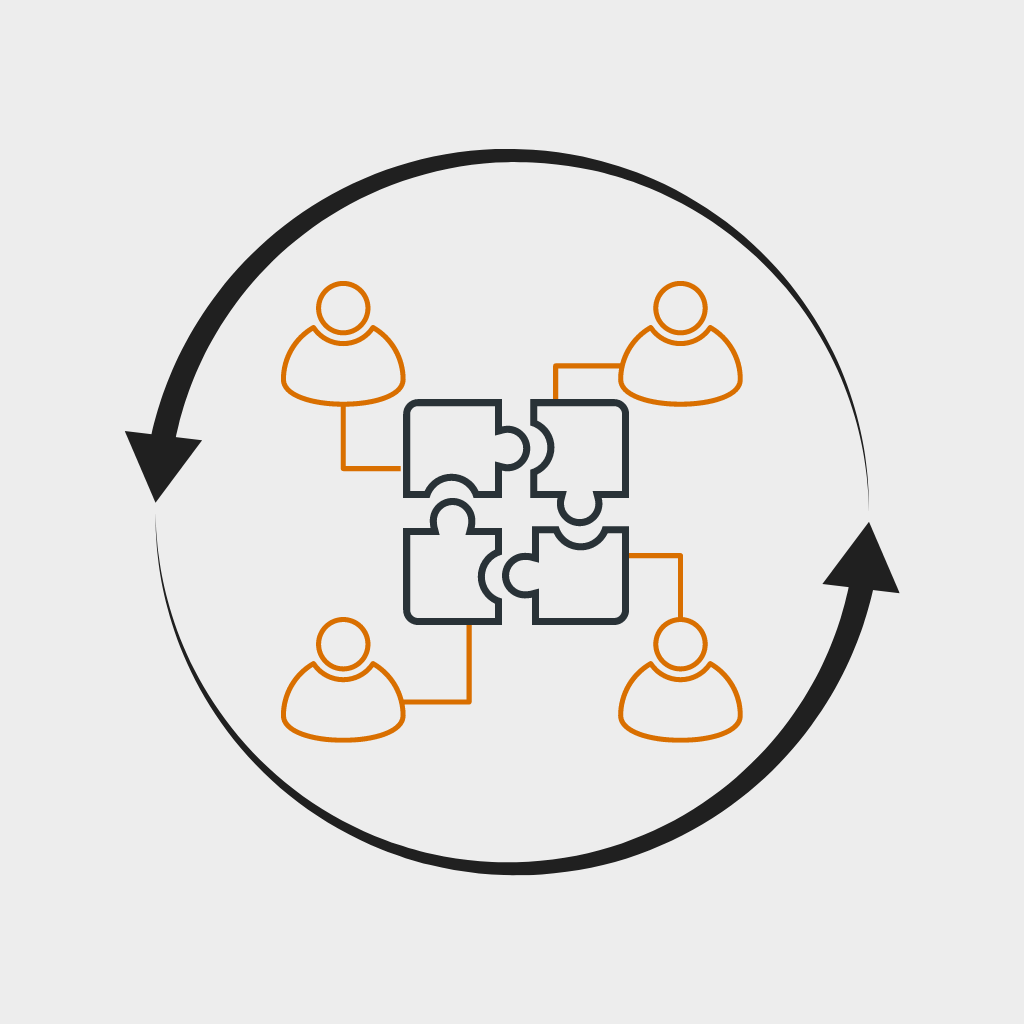
- Enhanced Communication and Collaboration: CRM systems facilitate better communication within the organization by ensuring that every team member is on the same page regarding customer information. This enhances collaboration across departments, such as sales, marketing, and customer service, leading to more coordinated efforts and better results.
- Data-Driven Decision Making: CRM systems offer powerful analytics and reporting tools that help businesses gain insights from their data. These insights enable more informed decision-making, allowing companies to refine their strategies and optimize their performance based on real-time data.
Scalability: As a business grows, its needs become more complex. CRM systems are designed to scale with the business, accommodating growing customer bases and expanding data sets without compromising efficiency.
Examples of Popular CRM Systems
There are many CRM systems available on the market, each with its own strengths and features tailored to different business needs. Some of the most popular CRM platforms include:
- HubSpot: HubSpot offers a user-friendly CRM that is free to use, making it a popular choice for small to mid-sized businesses. It also integrates seamlessly with HubSpot’s marketing and sales tools.
- Pipedrive: Pipedrive is a CRM system designed with sales teams in mind, offering an intuitive interface and visual sales pipeline to help businesses manage their sales processes more effectively.
- ActiveCampaign: While primarily known for its email marketing and automation features, ActiveCampaign also offers CRM functionalities that integrate closely with its marketing tools, making it a strong choice for businesses focused on customer engagement.
Conclusion: Choosing the Right CRM for Your Business
Selecting the right CRM system is a critical decision that can significantly impact your business’s ability to manage customer relationships and drive growth. It’s important to choose a system that aligns with your specific needs and can scale with your business as it grows. While each CRM platform offers unique features and benefits, the most important factor is ensuring that the system you choose is fully integrated into your daily operations and supported by a committed team.
At Just-apps.io, we recommend starting with a clear understanding of your business goals and customer needs. From there, you can explore different CRM options and select a platform that will not only support your current operations but also help you achieve long-term success.